


 English

How to Choose the Right Brushless Motor for Your Application?
Choosing the right motor is a critical step in product development. Different applications require different motor characteristics, including speed, torque, size, efficiency, and operating conditions. Selecting an unsuitable motor may lead to poor performance, overheating, reduced service life, or unnecessary energy consumption.
A brushless motor is widely used in industrial equipment, robotics, medical devices, automotive systems, drones, and automation products because of its high efficiency, low maintenance, and precise control capability. However, how to choose the right brushless motor depends on understanding your application's specific requirements.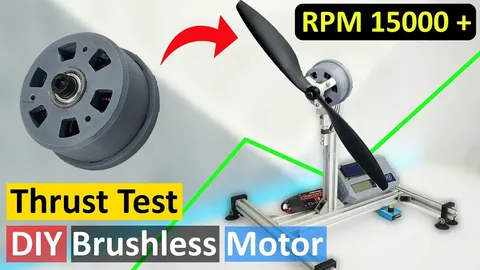
What Should You Consider When Choosing a Brushless Motor?
The selection of a Brushless Dc Motor should consider several important factors, including voltage, speed, torque, motor size, efficiency, control method, and working environment.
1. Determine the Required Voltage
Voltage is one of the first factors to consider when selecting a brushless motor. The motor voltage must match the power supply system of your equipment.
Common brushless motor voltage ranges include low-voltage applications such as battery-powered devices and higher-voltage solutions used in industrial equipment.
Choosing an incorrect voltage can affect motor efficiency, temperature rise, and overall performance.
2. Select the Correct Motor Speed (RPM)
Motor speed is measured in revolutions per minute (RPM) and determines how fast the motor rotates. Different applications require different speed levels.
For example, high-speed brushless motors are commonly used in fans, pumps, and precision equipment, while lower-speed motors with higher torque are suitable for automation systems and mechanical drives.
When choosing a brushless motor, engineers should balance speed requirements with torque performance to achieve optimal operation.
3. Calculate the Required Torque
Torque is the rotational force produced by the motor. It determines whether the motor can drive the required load effectively.
If the motor torque is insufficient, the system may experience slow operation, overheating, or motor failure. Therefore, understanding the load requirements is essential before selecting a brushless motor.
Factors affecting torque requirements include:
Load weight
Acceleration requirements
Operating speed
Mechanical resistance
Working cycle
4. Consider Motor Size and Installation Space
The physical size of the motor is another important factor in brushless motor selection. Many modern products require compact motors with high power density due to limited installation space.
A suitable motor should fit the mechanical structure while providing sufficient power output. This is especially important for applications such as robotics, medical devices, and portable equipment.
5. Evaluate Efficiency and Energy Consumption
One of the major advantages of a brushless motor is high efficiency. Unlike brushed motors, brushless motors eliminate mechanical friction caused by brushes, resulting in improved energy utilization.
For battery-powered products, selecting a high-efficiency Brushless Dc Motor can extend operating time and reduce energy consumption.
6. Choose the Right Control Method
Brushless motors require electronic controllers to manage current switching and motor operation. The control method directly affects motor performance.
Common control options include:
Hall Sensor Control: Provides accurate rotor position feedback and stable operation.
Sensorless Control: Suitable for applications requiring simpler structures and lower costs.
Advanced Motion Control: Used for applications requiring precise speed and position control.
7. Consider the Operating Environment
The working environment can significantly affect brushless motor performance and service life.
Before selecting a motor, consider:
Operating temperature
Humidity conditions
Dust protection requirements
Continuous or intermittent operation
Noise limitations
8. Decide Whether You Need a Custom Brushless Motor
Standard motors may not always meet specific product requirements. For applications requiring unique dimensions, special performance parameters, or customized interfaces, a custom brushless motor can provide a better solution.
A professional brushless motor manufacturer can customize motor design according to:
Voltage requirements
Speed and torque specifications
Motor dimensions
Connector design
Control requirements
Application environment
Brushless Motor Selection Process
A typical brushless motor selection process includes the following steps:
Step 1: Define Application Requirements
Identify the equipment type, load conditions, operating speed, and performance expectations.
Step 2: Calculate Motor Parameters
Determine required voltage, torque, speed, power, and size requirements.
Step 3: Select Suitable Motor Design
Compare different motor specifications and choose the most suitable Brushless DC Motor solution.
Step 4: Test and Optimize Performance
Prototype testing helps verify motor performance and allows further optimization before mass production.
Applications That Use Brushless Motors
Due to their excellent efficiency and reliability, brushless motors are widely used in:
Robotics and automation equipment
Medical devices
Electric tools
Drones and aerospace systems
Automotive components
Industrial machinery
Smart home devices
Why Work with a Professional Brushless Motor Manufacturer?
Working with an experienced brushless motor manufacturer helps ensure the motor matches your product requirements. Professional manufacturers can provide engineering support, motor customization, prototype development, and mass production services.
For companies developing new products, a reliable motor partner can help reduce development risks and improve final product performance.
Conclusion
Choosing the right brushless motor requires careful consideration of voltage, speed, torque, size, efficiency, control method, and operating environment. By understanding these factors, engineers can select a motor solution that delivers reliable performance and long service life.
For applications requiring specific performance requirements, a customized brushless motor solution from an experienced manufacturer can provide the best balance between efficiency, reliability, and product design flexibility.