


 English

Heat is an important consideration in the design and operation of a Bldc Motor. While a certain amount of heat is normal during operation, excessive temperature can reduce efficiency, accelerate component aging, and affect long-term motor reliability. For equipment that operates continuously or under demanding loads, controlling motor temperature is an essential part of system design.
A Brushless Motor can operate efficiently when its electrical, mechanical, and thermal requirements are properly matched. However, overheating can occur when the motor is overloaded, improperly controlled, poorly ventilated, or designed without sufficient thermal capacity. Understanding the causes of excessive heat can help engineers prevent problems before they affect equipment performance.
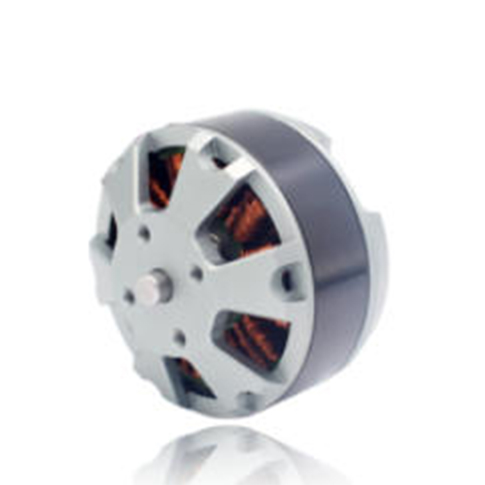
Why Does a bldc motor Overheat?
A BLDC motor can generate heat from several sources during operation. Copper losses in the windings, iron losses in the magnetic circuit, bearing friction, and switching losses from the electronic control system all contribute to the overall temperature of the motor.
Overheating becomes more likely when the heat generated inside the motor is greater than the heat that can be transferred to the surrounding environment.
Common causes include:
Excessive motor load
High operating current
Incorrect voltage or operating conditions
Insufficient cooling
Restricted airflow
Improper controller settings
Frequent acceleration and deceleration
Incorrect motor sizing
High ambient temperature
How Motor Load Affects Temperature
Motor load has a direct influence on the current required to generate torque. When a BLDC motor operates under excessive load, the motor may draw more current and generate additional heat in the windings.
Continuous operation close to or beyond the motor's rated operating range can therefore result in a gradual temperature increase. This is especially important for equipment that operates for long periods without interruption.
When selecting a motor, engineers should consider both the normal operating load and temporary peak loads. A motor should provide sufficient torque for the application without being continuously forced to operate beyond its intended operating range.
The Relationship Between Current and Motor Heat
Current is one of the key factors affecting winding temperature. Electrical resistance in the windings produces heat as current flows through the motor. As operating current increases, copper losses can increase significantly.
This means that simply selecting a motor based on rated speed or power may not be sufficient. Engineers should also evaluate the current required under actual load conditions.
For applications involving frequent high-torque operation, acceleration, or intermittent overloads, the thermal characteristics of the motor should be considered during the design stage.
Choose the Correct BLDC Motor Size
Correct motor sizing is one of the most effective ways to prevent overheating. A motor that is too small for the application may need to operate at high current for extended periods, increasing heat generation.
On the other hand, selecting a motor significantly larger than necessary can increase equipment size and cost without providing a meaningful performance advantage.
Motor selection should take into account:
Required continuous torque
Peak torque
Operating speed
Rated voltage
Duty cycle
Acceleration requirements
Ambient temperature
Available installation space
A properly matched brushless DC motor can operate within an appropriate thermal range while delivering the required mechanical output.
Improve Cooling and Heat Dissipation
Heat generated inside a motor needs to be transferred away from the windings and other internal components. The effectiveness of this process depends on the motor structure, housing, mounting conditions, airflow, and surrounding environment.
Depending on the application, cooling can be improved through:
Improved natural ventilation
Forced airflow
Heat-dissipating motor housings
Improved mounting surfaces
External cooling systems
Optimized internal thermal paths
When a motor is installed inside an enclosed machine, engineers should pay particular attention to the available airflow and heat accumulation around the motor housing.
How Winding Design Affects Motor Temperature
The winding configuration is another important factor in motor thermal performance. Wire size, winding arrangement, resistance, and the overall electromagnetic design can influence current requirements and heat generation.
For a standard motor, the winding configuration is generally predetermined. However, Customized motors can be designed around specific electrical and mechanical requirements.
For example, a custom motor project may consider the required voltage, speed, torque, duty cycle, available installation space, and thermal environment together rather than selecting an off-the-shelf motor first.
Check the Motor Controller
A BLDC motor operates together with an electronic controller, so motor temperature should not be considered independently from the control system.
Incorrect commutation, unsuitable current limits, inappropriate acceleration settings, or an improperly matched controller can affect motor performance and temperature.
The controller should therefore be selected and configured according to the motor's electrical specifications and the requirements of the complete system.
Consider the Operating Environment
Ambient conditions can significantly affect the ability of a motor to dissipate heat. A motor operating in a cool and well-ventilated environment may be able to transfer heat more effectively than the same motor installed in a compact enclosure with limited airflow.
Engineers should consider factors such as:
Ambient temperature
Airflow
Installation orientation
Enclosure size
Nearby heat sources
Continuous operating time
If the surrounding temperature is high, the available temperature margin between normal operation and the motor's maximum allowable temperature becomes smaller.
How to Prevent BLDC Motor Overheating
Preventing overheating is usually easier when thermal performance is considered during the initial design rather than after a motor has already been installed.
A practical approach includes:
Select a motor with sufficient continuous and peak torque capacity.
Match the motor voltage and current requirements with the controller.
Evaluate the actual duty cycle rather than only the maximum load.
Provide adequate ventilation or cooling.
Reduce unnecessary mechanical resistance and overload.
Monitor motor temperature during testing.
Consider thermal protection for demanding applications.
Review the motor design if operating conditions change significantly.
Thermal Protection for Brushless Motors
For applications where overheating could affect reliability, temperature monitoring and protection can be incorporated into the motor system.
Depending on the design, thermal protection may involve temperature sensors, controller-based protection, current limits, or automatic shutdown functions.
These measures can help detect abnormal operating conditions and reduce the risk of prolonged operation at excessive temperatures.
Why Customized Motors Can Help With Thermal Requirements
Not every application can be solved effectively with a standard motor. Limited installation space, unusual voltage requirements, high continuous torque, restricted airflow, or specific duty cycles may require a motor designed specifically for the equipment.
Customized motors can take these requirements into consideration during the design process. A customized BLDC motor may be developed around the required speed, torque, voltage, dimensions, winding characteristics, mounting configuration, and thermal conditions.
This approach can be useful when the motor must operate reliably inside a compact or thermally demanding system.
Temperature Testing During Motor Development
Thermal testing is an important part of validating a motor for a specific application. Engineers can evaluate motor temperature under representative loads, speeds, duty cycles, and environmental conditions.
Testing should ideally reflect the actual operating conditions of the final equipment. A motor that performs well during a short test may experience significantly different thermal behavior during continuous operation.
Testing can help identify whether changes to the motor, controller, cooling method, or operating parameters are required before production.
Conclusion
Preventing BLDC motor overheating requires more than simply adding a cooling fan. Motor size, load, current, winding design, controller settings, installation conditions, ambient temperature, and duty cycle all influence thermal performance.
By selecting the appropriate brushless motor, providing sufficient heat dissipation, matching the controller correctly, and monitoring operating temperature, manufacturers can improve motor reliability and reduce the risk of thermal problems.
For applications with demanding or unusual operating conditions, customized motors can provide greater flexibility by allowing electrical, mechanical, and thermal requirements to be considered together during motor development.
```