


 English

Choosing the right custom Bldc Motor is important when standard motors cannot fully meet the requirements of a specific machine or device. The motor should match the equipment's available space, power system, operating speed, load, and control requirements.
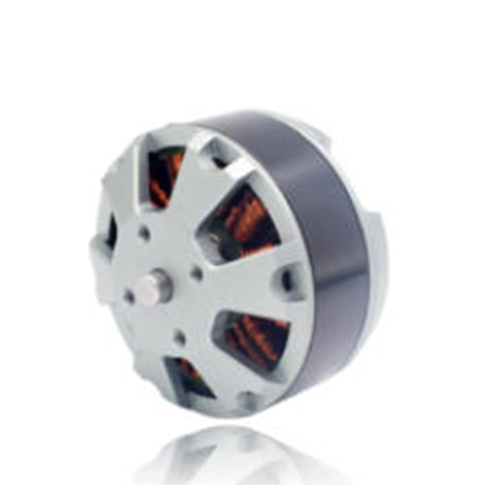
1. Confirm the Motor Size
Motor dimensions are one of the first factors to consider. A motor that is too large may not fit inside compact equipment, while an undersized motor may not provide enough output.
Before contacting a custom motor manufacturer, buyers should provide the required motor diameter, length, mounting dimensions, shaft size, and installation space.
2. Define Speed, Voltage and Torque
A custom Brushless Motor should be designed according to the actual operating conditions of the equipment.
Voltage: Match the motor with the equipment's power supply.
Speed: Confirm the required RPM and operating speed range.
Torque: Make sure the motor can handle the expected mechanical load.
Providing accurate operating requirements helps the manufacturer select an appropriate winding and motor configuration.
3. Consider the Control System
bldc motors normally work together with an electronic controller. Depending on the application, the system may require speed regulation, direction control, Hall sensors, or encoder feedback.
For equipment requiring precise motion, feedback devices can help the controller monitor rotor position and improve motor control.
For different equipment requirements, brushless motor solutions can be developed with suitable performance and configuration.
4. Choose an Experienced Brushless Motor Manufacturer
When sourcing a brushless motor manufacturer, buyers should consider more than the initial quotation. Engineering support, sample development, production capability, quality control, and customization experience are also important.
A reliable supplier should be able to review the application requirements, recommend a suitable motor design, produce samples, and make adjustments based on testing results before mass production.
Conclusion
The right custom BLDC motor should match the actual requirements of the equipment. Size, voltage, speed, torque, control method, and installation conditions should all be considered before production.
By providing clear technical requirements and working with an experienced custom motor manufacturer, businesses can develop a motor that provides better compatibility and stable performance for their products.